
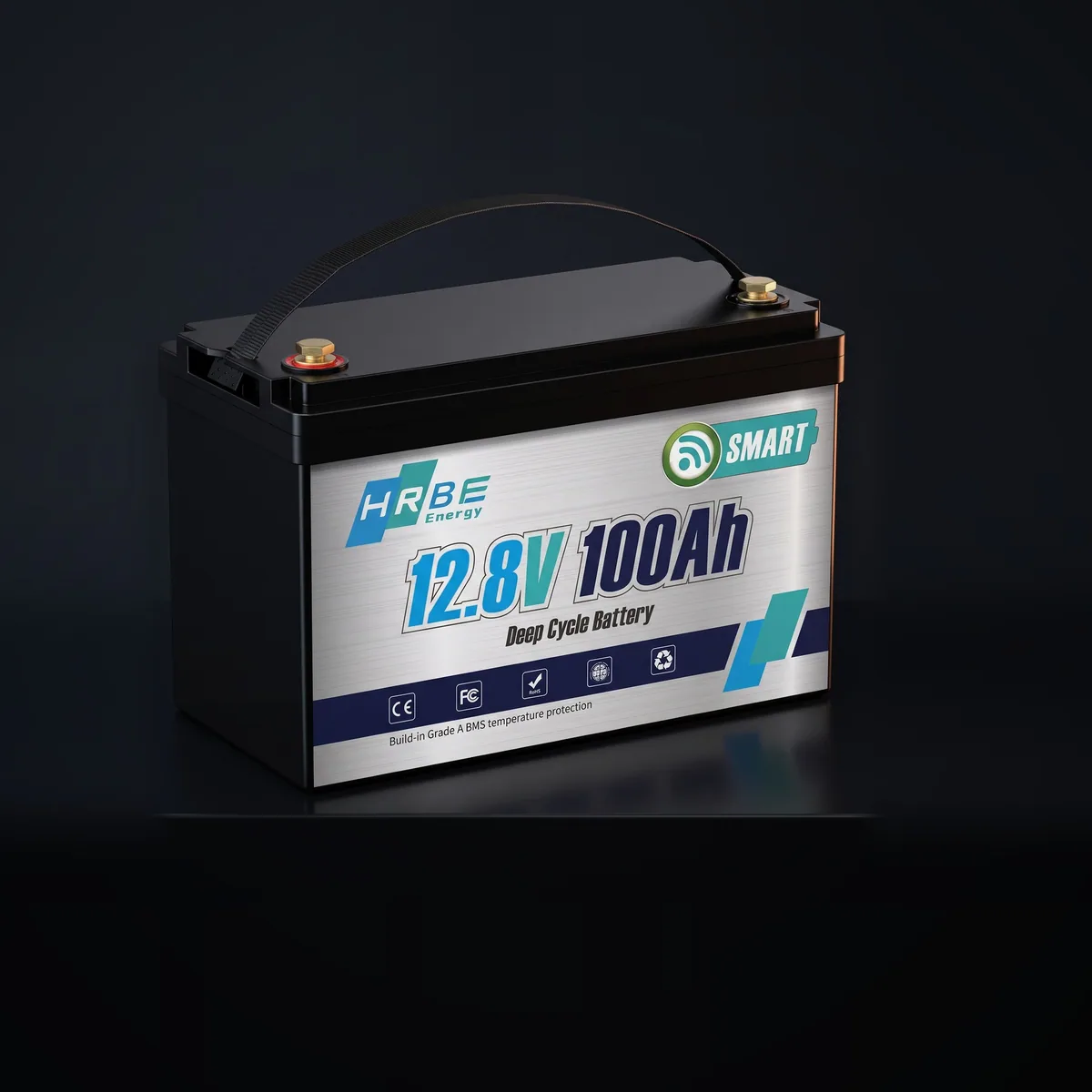
 HRBE Energy LiFePO4 12V/100AH (1280W*h) 332mm Bluetooth1 pc · 12V
≈ 6 hyour set will run
Just enough for your schedule.
● In stock10 990 ₴
Choose what should keep working during a blackout. We will calculate how long your home will last and pick a battery from stock.
We will pick a battery and tell you which inverter your appliances need.
We pre-select a typical set of appliances — you can change it below.
In Pro mode enter exact figures: the rated power from the appliance label and how many minutes per hour it actually runs (a fridge — about 17).
The battery must not only last through the outage but also recharge while the power is on. We check that too.
Battery charge over 24 hours. Dark bands are the hours without power.
Only models in stock or available to order.
HRBE Energy LiFePO4 12V/100AH (1280W*h) 332mm Bluetooth1 pc · 12VJust enough for your schedule.
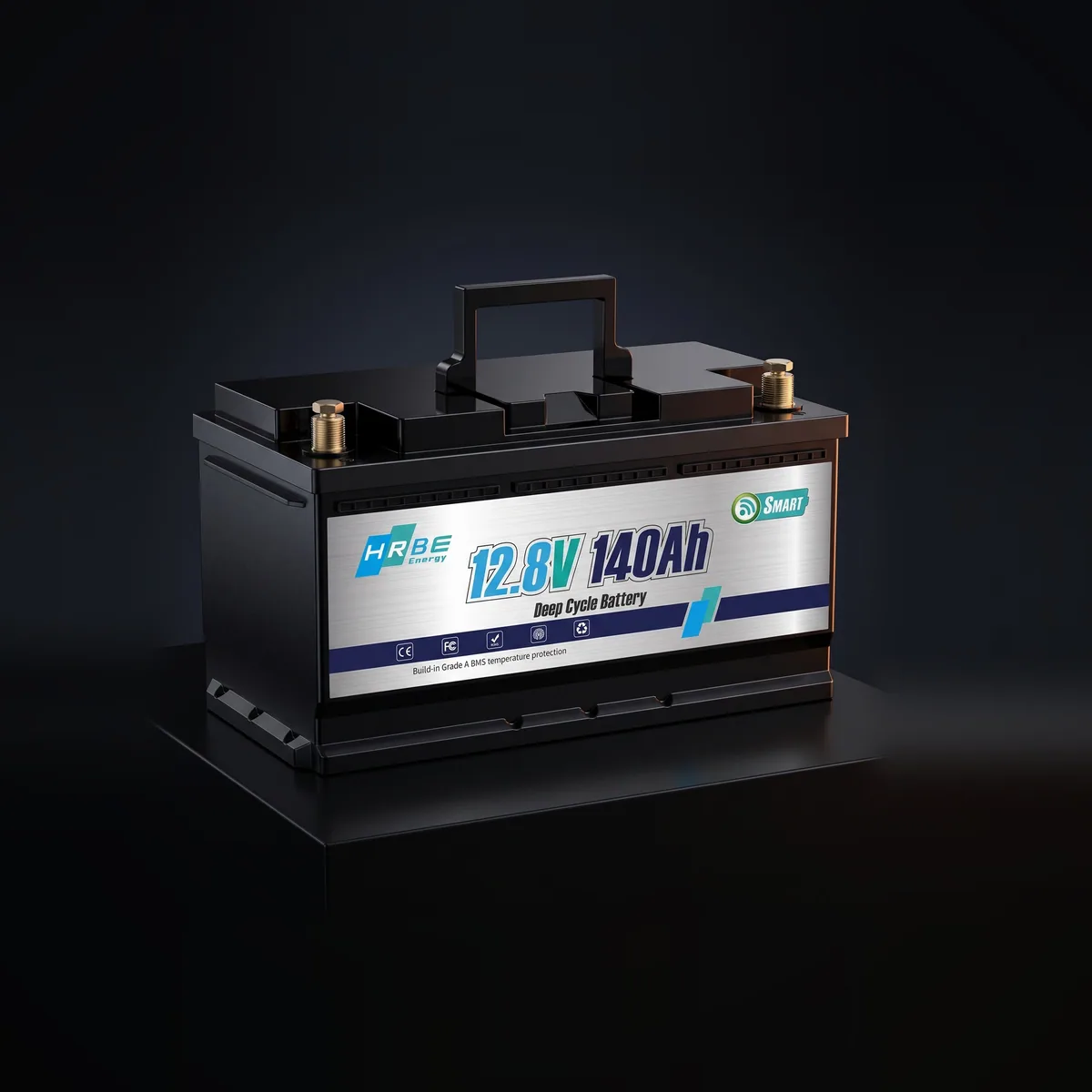 HRBE Energy LiFePO4 12V/140AH Bluetooth1 pc · 12V
This model costs 3 300 ₴ more than “Minimum” but runs 2,5 h longer
The best balance of price and runtime.
×2HRBE Energy LiFePO4 12V/100AH (1280W*h) 332mm Bluetooth2 pcs in parallel · 12VReserve for long outages and years ahead.
A battery cannot power household appliances without an inverter: it converts battery voltage into regular 230 V. Here is what to look for.
Handles everything you selected, including start-up surges.
The reserve also covers: microwave, water pump, desktop pc
For appliances you have not thought of yet. Pair it with the “Maximum” battery — the recommended one cannot deliver this much power.
The inverter voltage must match the battery voltage. We will help you choose an inverter for your battery — (044) 232-91-17
This is an estimate: it assumes 90% inverter efficiency, discharge down to 10%, a 10% reserve and appliance start-up currents. Appliance averages come from public consumption tables and were checked against measurements by owners of our batteries.
Also keep in mind the inverter’s own consumption: a 1 000 W inverter draws about 10–20 W on standby, which noticeably shortens runtime at low loads. Check the exact figure in your inverter’s manual.
A battery is sized by two numbers. The first is energy: how many watt-hours your appliances use during the outage. The second is power: how many watts they draw at the same time, including the start-up surge of a fridge or pump. Energy defines the battery capacity, power defines the inverter and the system voltage.
A fridge does not run non-stop: the compressor is on roughly a quarter of the time, so over 4 hours it uses about 170 Wh, not 600. That is why the calculator uses each appliance's average consumption rather than its rated power.
Identical LiFePO4 batteries can be connected in parallel (capacity adds up, voltage stays the same) and in series (voltage adds up: two 12 V units give 24 V). Two smaller batteries are easier to carry, and the second one can be added later. One large battery is more compact and often cheaper per watt-hour. The calculator shows both options with prices.
With a 4/4 schedule the battery must not only last 4 hours but also recharge during the 4 hours with power. If the charging current is too low, the battery will sink deeper every day. The calculator checks this and warns you if a stronger charger is needed.
A 12 V 100 Ah battery stores 1280 Wh, of which about 1000 Wh are usable. It runs a fridge, router and laptop (about 95 W on average) for roughly 9–11 hours depending on the inverter, and a gas boiler with a router for about 14 hours.
A fridge uses 100–250 W, but 3–4 times more when the compressor starts. So choose a pure sine wave inverter of at least 1000 W, even if the fridge is the only appliance.
In capacity they are the same: two 12 V 100 Ah batteries in series give 24 V 100 Ah. Two smaller units are easier to transport and can be bought gradually; one 24 V battery is more compact. Only identical models can be connected together.
Technically yes, but it is not worth it: a 2 kW heater uses as much in one hour as a fridge in a whole day. Keep the battery for the boiler, fridge, lights and connectivity.
It is an estimate based on average appliance consumption. Actual runtime depends on your fridge model, the temperature at home and the inverter’s own consumption (20–50 W on standby).